Sanare Bioscience is a research-focused biotechnology organization exploring investigational approaches to neurological and substance-related toxicology through scientific collaboration and preclinical development.
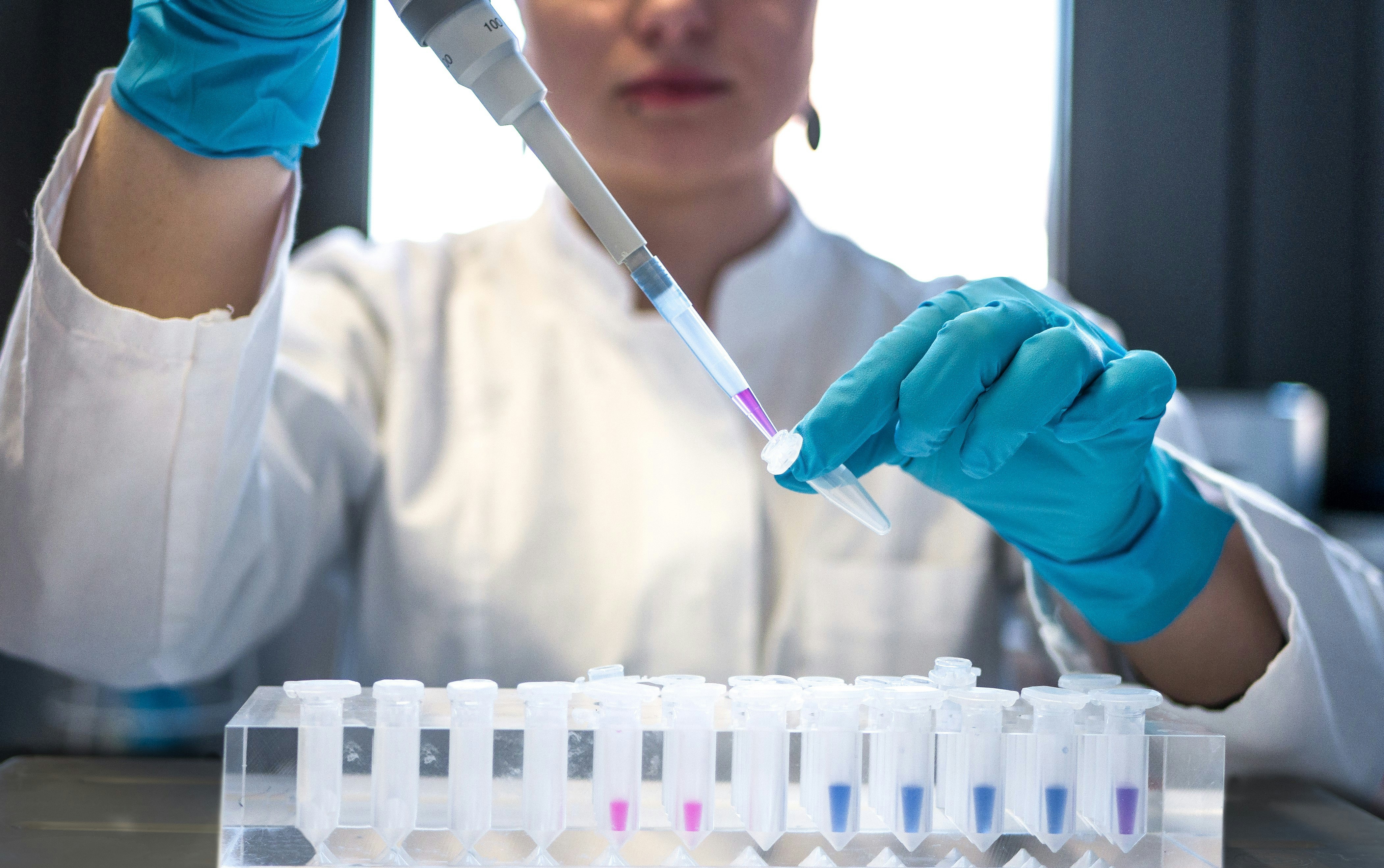
A Research-Driven Biotechnology Organization
Sanare Bioscience was founded to support early-stage scientific exploration into neurological and substance-related toxicology. The organization focuses on generating data, supporting research collaboration, and advancing investigational programs through structured development pathways.
Our approach emphasizes scientific integrity, regulatory awareness, and long-term development planning rather than commercial promotion.
Values:
• Scientific rigor
• Responsible research communication
• Collaboration with academic and industry experts
• Long-term commitment to data-driven development
OUR MISSION
Sanare Bioscience is dedicated to advancing early-stage scientific research to better understand biological mechanisms associated with neurological stress, toxicity, and brain health.
Research Focus
Our research efforts explore:
• Biological pathways associated with neurotoxicity and neurological stress
• Mechanisms related to substance exposure and metabolic response
• Novel investigational strategies evaluated through preclinical and translational research
All programs remain investigational and are subject to ongoing scientific and regulatory evaluation.
Development Status
Current Program Stages
• Discovery
• Preclinical
• IND-enabling planning (future)
No programs are approved for clinical or commercial use.
A Growing Challenge for Patients and Healthcare Systems
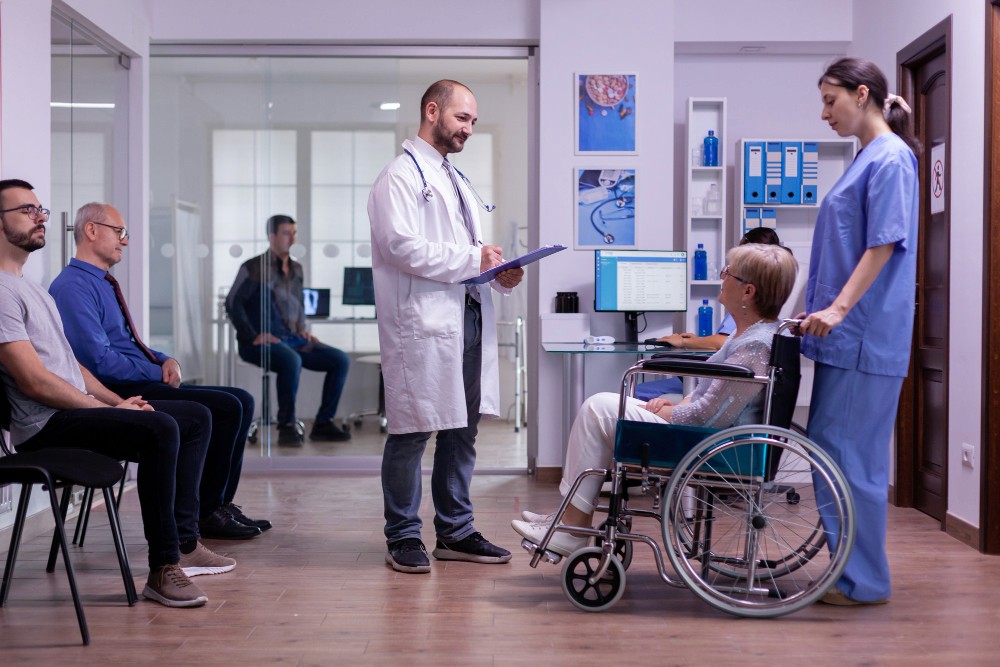
Delayed recognition of CHS can contribute to unnecessary testing, repeated emergency care utilization, and ongoing patient suffering. Improving awareness and understanding of the condition is an important step toward better patient experiences and more efficient emergency care.

Cerebro-1™ Research Program
Cerebro-1 is an investigational lipid-based candidate being studied for potential relevance to cannabis intoxication and CHS, two conditions contributing to rising emergency department visits across the U.S. and Canada.
Our research efforts focus on understanding lipid sequestration mechanisms, evaluating formulation characteristics, planning preclinical studies, and collaborating with experts in toxicology and emergency care.